
When Should Class 11 Students Start JEE Preparation?
Why Class 11 Is the Most Important Phase for IIT JEE Success
For students aspiring to secure admission to the prestigious Indian Institutes of Technology (IITs), Class 11 marks the beginning of the most crucial phase of JEE preparation. While some students begin building a foundation in Class 9 or 10, Class 11 is generally considered the ideal time to start serious preparation for JEE Main and JEE Advanced.
The Mathematics syllabus introduced in Class 11 forms the backbone of IIT JEE preparation. Important topics such as Functions, Trigonometry, Sequence and Series, Permutation and Combination, Binomial Theorem, Quadratic Equations, Coordinate Geometry, Limits, and Basic Calculus are introduced during this year. These concepts are not only essential for JEE but also serve as prerequisites for the advanced Calculus and Algebra studied in Class 12.
Students who understand these concepts thoroughly during Class 11 usually find the second year of preparation much more manageable. On the other hand, students who neglect their Class 11 syllabus often struggle to cope with the pressure of Class 12, board examinations, and JEE preparation simultaneously.
If you are searching for the Best JEE Maths Tutor in Gurgaon, JEE Main Maths Tutor, JEE Advanced Maths Tutor, Home Tutor for IIT JEE Mathematics, One-to-One JEE Maths Coaching, or Online JEE Mathematics Classes, this guide will help students and parents understand how to make the most of these two important years.
Students from DLF Phase 1, DLF Phase 2, DLF Phase 3, DLF Phase 4, DLF Phase 5, Golf Course Road, Sushant Lok, South City, Nirvana Country, Sector 42, Sector 43, Sector 49, Sector 50, Sector 54, Sector 56, Sector 57, Sector 65, Sector 67, M3M Golf Estate, and nearby areas of Gurugram often begin personalized coaching in Class 11 to strengthen concepts and prepare systematically for IIT JEE.
Why Class 11 Is the Right Time to Start Serious Preparation
Class 11 introduces students to an entirely new level of Mathematics. The questions become more analytical, concepts become interconnected, and logical reasoning becomes increasingly important.
Unlike earlier classes, success is no longer based on memorization. Students are expected to understand concepts deeply, apply them in unfamiliar situations, and solve multi-step problems with accuracy.
Beginning serious preparation in Class 11 provides students with enough time to:
- Build conceptual clarity.
- Practice consistently.
- Revise regularly.
- Develop speed and accuracy.
- Prepare for board examinations alongside JEE.
- Reduce stress during Class 12.
A well-planned two-year preparation strategy is generally more effective than trying to complete everything within a single year.
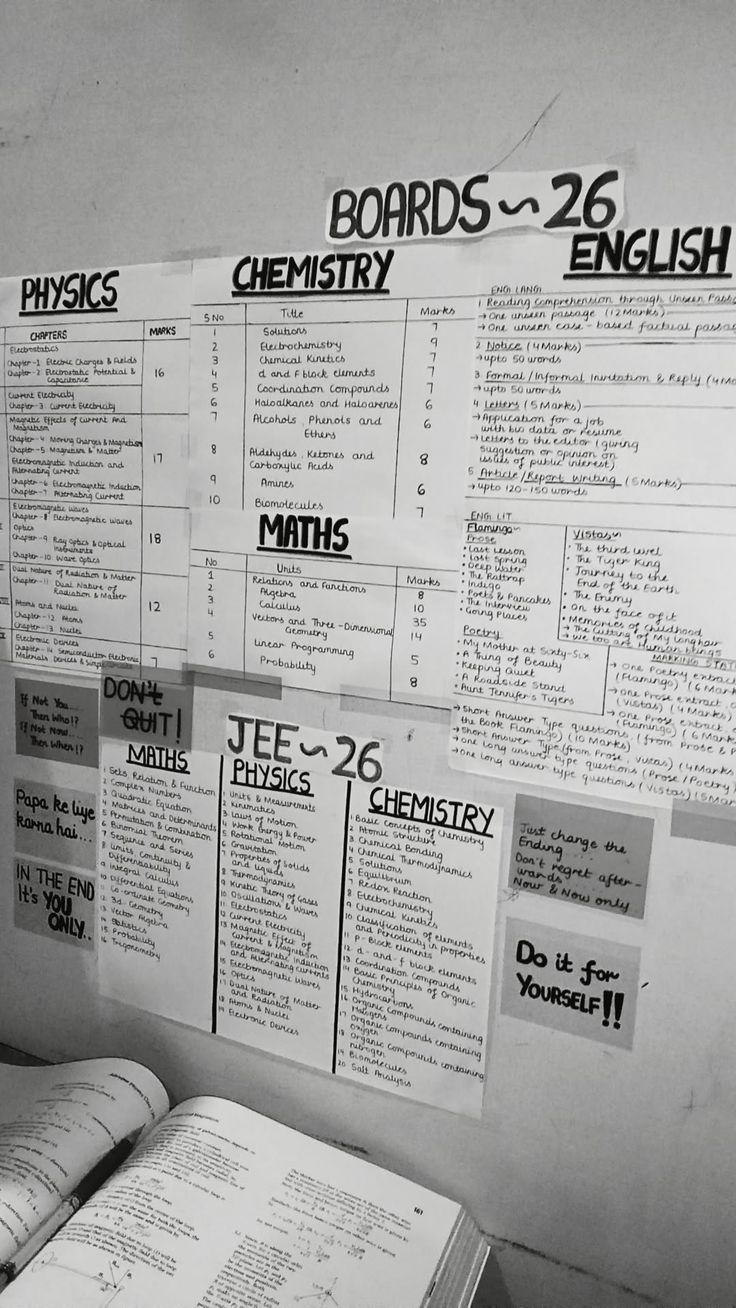
Understanding the JEE Mathematics Syllabus
The Mathematics syllabus in Class 11 introduces several high-weightage chapters that appear regularly in both JEE Main and JEE Advanced.
Some of the most important topics include:
- Sets and Relations
- Functions
- Trigonometric Functions
- Complex Numbers
- Quadratic Equations
- Sequence and Series
- Binomial Theorem
- Permutation and Combination
- Mathematical Induction
- Straight Lines
- Circles
- Conic Sections
- Limits
- Introduction to Derivatives
These chapters are interconnected. A weak understanding of one topic often affects performance in several others. Therefore, students should aim to master each chapter before moving to the next.
Build Concepts Before Solving Advanced Questions
A common mistake among JEE aspirants is purchasing multiple advanced reference books immediately after entering Class 11.
While enthusiasm is admirable, solving difficult problems without understanding the underlying concepts often leads to frustration.
A more effective learning sequence is:
Step 1
Understand the theory.
Learn definitions, properties, and derivations.
Step 2
Solve NCERT examples and textbook exercises.
Build confidence with basic concepts.
Step 3
Practice standard JEE Main level questions.
Strengthen application skills.
Step 4
Attempt advanced JEE questions.
Develop higher-order thinking and multiple problem-solving approaches.
Following this progression helps students build confidence while avoiding unnecessary pressure.
Develop Consistent Study Habits
One of the biggest advantages of starting in Class 11 is the opportunity to build disciplined study habits that will continue throughout the preparation journey.
Students should learn to:
- Study every day.
- Revise regularly.
- Maintain a formula notebook.
- Record mistakes.
- Solve previous year questions.
- Analyze mock tests.
- Ask doubts without hesitation.
These habits contribute significantly to long-term success.
Why Conceptual Clarity Matters More Than Memorization
Many students attempt to memorize formulas without understanding how they are derived or when they should be applied.
This strategy rarely works in JEE because the examination tests analytical thinking rather than rote learning.
Students should always ask:
- Why does this formula work?
- Where can it be applied?
- What are its limitations?
- Can the same question be solved differently?
Understanding concepts deeply enables students to solve unfamiliar problems with confidence.
Daily Mathematics Practice Is Essential
Mathematics is a subject that rewards consistency.
Instead of studying irregularly for long hours, students should practice every day.
A balanced daily routine may include:
- Learning one new concept.
- Solving practice questions.
- Revising previous chapters.
- Reviewing formulas.
- Correcting mistakes from earlier tests.
Even two hours of focused Mathematics practice each day can produce remarkable improvement over time.
Common Mistakes Students Make in Class 11
Many students unknowingly create problems that affect their preparation later.
Common mistakes include:
- Ignoring NCERT concepts.
- Postponing revision.
- Solving only difficult questions.
- Avoiding weak chapters.
- Using too many reference books.
- Not maintaining an error notebook.
- Skipping mock tests.
- Comparing themselves with classmates.
Avoiding these mistakes early makes the preparation journey much smoother.
Role of Parents During Class 11
The transition from Class 10 to Class 11 can be challenging.
Parents should focus on supporting rather than pressuring their children.
Helpful ways to support include:
- Encouraging regular study habits.
- Creating a distraction-free environment.
- Monitoring progress without constant comparison.
- Promoting healthy sleep and nutrition.
- Appreciating steady improvement instead of expecting instant results.
Students perform better when they feel encouraged and emotionally supported.
A Step-by-Step Two-Year Roadmap for JEE Main & JEE Advanced Success
Starting JEE preparation in Class 11 gives students one of the biggest advantages—a full two years to build concepts, strengthen problem-solving skills, improve speed, and prepare systematically for one of India's toughest entrance examinations. However, simply starting early is not enough. Success depends on following a structured study plan, maintaining consistency, and regularly evaluating progress.
Many students enter Class 11 with enthusiasm but gradually lose momentum because they study without a clear roadmap. Others spend too much time collecting books, watching random online videos, or solving only difficult questions without first understanding the basics. A planned strategy helps students avoid these mistakes and make steady progress throughout the two-year preparation period.
Step 1: Build Strong Concepts Before Focusing on Speed
The first six months of Class 11 should focus primarily on understanding concepts.
Instead of worrying about solving hundreds of questions quickly, students should learn:
- Why formulas work.
- When each method should be used.
- Different approaches to solving the same problem.
- Common mistakes students make.
Conceptual clarity is far more valuable than memorizing shortcuts. Once students understand the logic behind each chapter, improving speed becomes much easier.
Step 2: Complete NCERT Before Advanced Books
Many students purchase several reference books immediately after entering Class 11. While these books can be useful later, they should not replace the school curriculum.
A recommended sequence is:
Stage 1
Complete the NCERT chapter thoroughly.
Understand every example and exercise.
Stage 2
Solve NCERT Exemplar and school assignments.
Strengthen application skills.
Stage 3
Practice standard JEE Main level questions.
Develop confidence.
Stage 4
Move to JEE Advanced level problems under proper guidance.
This gradual progression prevents conceptual gaps and reduces frustration.
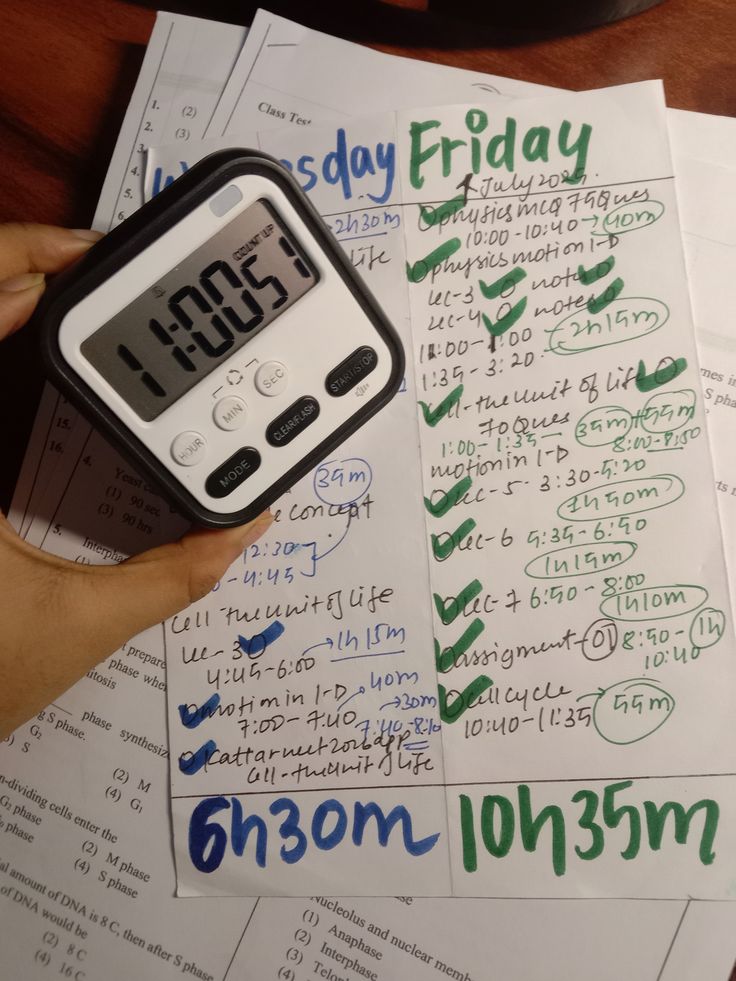
Suggested Daily Study Plan
A balanced study routine helps students prepare for both school examinations and IIT JEE.
Mathematics – 2 Hours
- Learn one new concept.
- Solve practice questions.
- Revise previous topics.
Physics – 1.5 Hours
Study theory first, followed by numerical problems.
Chemistry – 1.5 Hours
Divide time between Physical, Organic, and Inorganic Chemistry according to the syllabus.
Formula Revision – 30 Minutes
Revise important formulas and short notes prepared during previous weeks.
Error Notebook – 30 Minutes
Review mistakes made during earlier practice sessions and mock tests.
Weekly Study Plan
Maintaining a weekly schedule keeps preparation organized.
Monday to Friday
- Learn new concepts.
- Solve textbook exercises.
- Practice JEE-level questions.
- Clear doubts regularly.
Saturday
- Revise all topics studied during the week.
- Update formula notebook.
- Solve mixed practice questions.
Sunday
- Attempt a full-length mock test.
- Analyze mistakes carefully.
- Plan improvements for the next week.
Chapter Priority for Class 11 Mathematics
Some chapters require extra attention because they are frequently tested in both JEE Main and JEE Advanced.
Students should focus on:
- Functions
- Quadratic Equations
- Complex Numbers
- Sequence and Series
- Permutation and Combination
- Binomial Theorem
- Trigonometric Functions
- Straight Lines
- Circles
- Conic Sections
- Limits
- Introduction to Derivatives
Mastering these topics creates a strong base for advanced Calculus and Coordinate Geometry in Class 12.
Importance of Revision
Learning new concepts alone is not enough. Without revision, students often forget previously studied topics.
An effective revision strategy includes:
- Daily formula review.
- Weekly chapter revision.
- Monthly comprehensive revision.
- Mixed-topic practice sessions.
- Previous Year Question revision.
Regular revision improves long-term retention and confidence.
Previous Year Question Strategy
Previous Year Questions (PYQs) provide valuable insight into the examination pattern.
Students should:
- Solve chapter-wise PYQs after completing each topic.
- Attempt questions under time limits.
- Compare different solution methods.
- Identify frequently repeated concepts.
- Revise difficult PYQs regularly.
This helps students understand the level of questions expected in JEE Main and JEE Advanced.
The Importance of Mock Tests
Mock tests are one of the most effective tools for improving performance.
However, students often focus only on scores.
The real learning begins after the test.
After every mock test, students should ask:
- Which questions consumed too much time?
- Which mistakes were careless?
- Which concepts require revision?
- Did I follow the correct examination strategy?
- How can I improve before the next test?
Students who consistently analyze their mistakes improve much faster than those who simply attempt more tests.
Maintain an Error Notebook
An error notebook is one of the most valuable learning tools during JEE preparation.
Whenever a mistake occurs, record:
- The question.
- The correct method.
- The concept involved.
- The reason for the mistake.
- Tips to avoid repeating the error.
Before every mock test, revise this notebook. It helps eliminate recurring mistakes and strengthens conceptual understanding.
Time Management During Preparation
Managing time effectively is essential throughout the two-year preparation journey.
Students should:
- Set realistic daily goals.
- Avoid procrastination.
- Limit unnecessary screen time.
- Complete homework on schedule.
- Balance school studies with JEE preparation.
- Take short breaks to maintain concentration.
Consistency is far more effective than studying for extremely long hours on a few days.
Balancing School and JEE Preparation
One of the biggest concerns among students is balancing school examinations with JEE preparation.
The good news is that both complement each other when studied properly.
Students should:
- Complete school assignments on time.
- Prepare thoroughly for school examinations.
- Use school topics as the foundation for JEE concepts.
- Revise regularly instead of studying separately for each examination.
Strong school performance generally supports better JEE preparation because the fundamental concepts remain the same.
A Practical Example
Imagine two students beginning Class 11.
Student A studies only before examinations and frequently changes books and study strategies.
Student B follows a structured timetable, completes NCERT first, practices daily, revises weekly, analyzes mock tests, and maintains an error notebook.
By the end of Class 12, Student B is likely to have stronger concepts, better confidence, and improved examination performance because of disciplined and consistent preparation.
Parent Checklist, Frequently Asked Questions, Local SEO & Final Guidance
Class 11 is often called the foundation year of IIT JEE preparation, and for good reason. The concepts learned during this year form the basis of many advanced topics in Class 12. Students who invest time in building conceptual clarity during Class 11 usually find the second year of preparation much more manageable. On the other hand, students who postpone serious study often struggle to balance board examinations, JEE preparation, and revision simultaneously.
Success in JEE Main and JEE Advanced is not determined by intelligence alone. It is built through disciplined preparation, regular revision, continuous practice, and the ability to learn from mistakes. With the right strategy and guidance, students can use the two years of Class 11 and 12 to develop the confidence and skills required to perform well in one of India's most competitive examinations.
This final section provides practical advice for parents, answers frequently asked questions, explains common myths, and summarizes the best approach to Class 11 JEE preparation.
Parent Checklist for Class 11 JEE Aspirants
Parents play an important role throughout the two-year preparation journey. Rather than focusing only on marks, they should help students develop discipline, confidence, and consistency.
1. Encourage Concept-Based Learning
Ask your child whether they understood the topic rather than simply asking how many questions they solved.
Students who understand concepts perform much better in JEE than those who rely on memorization.
2. Support a Consistent Study Routine
Consistency matters more than studying for extremely long hours.
Encourage students to:
- Study every day.
- Revise regularly.
- Complete assignments on time.
- Take short breaks.
- Maintain healthy sleep habits.
A balanced routine improves productivity and reduces stress.
3. Monitor Progress Without Creating Pressure
Instead of comparing scores with other students, focus on gradual improvement.
Discuss:
- Strong chapters.
- Weak topics.
- Mock test performance.
- Revision progress.
- Goals for the coming week.
Positive encouragement builds confidence and motivation.
4. Encourage Healthy Habits
Physical and mental well-being are essential during long-term preparation.
Students should maintain:
- Balanced nutrition.
- Regular sleep.
- Short physical activity.
- Limited screen distractions.
- A positive study environment.
Healthy habits improve concentration and long-term performance.
5. Stay Connected with the Tutor
Regular communication between parents and the tutor helps identify challenges before they become major problems.
Parents should discuss:
- Attendance.
- Conceptual understanding.
- Homework completion.
- Test performance.
- Revision schedule.
- Areas requiring additional support.
Working together creates a strong support system for the student.
Myth vs Fact
Myth: Students should immediately begin solving the toughest JEE books.
Fact: Students should first master NCERT concepts and standard problems before attempting advanced-level questions.
Myth: Studying 12 to 14 hours every day guarantees success.
Fact: Consistent, focused study with proper planning is far more effective than extremely long study hours.
Myth: Mock test marks always increase steadily.
Fact: Fluctuations are normal. The real objective is to identify mistakes and improve after every test.
Myth: Weak Class 11 performance cannot be improved.
Fact: Many students significantly improve during Class 12 through disciplined preparation and regular revision.
Myth: Coaching alone guarantees IIT selection.
Fact: Coaching provides guidance, but success depends on consistent effort, disciplined study, and regular practice by the student.
Frequently Asked Questions
1. Is Class 11 the ideal time to begin JEE preparation?
Yes. Class 11 introduces many core Mathematics topics that are essential for both JEE Main and JEE Advanced.
2. Should students complete NCERT before advanced books?
Yes. NCERT provides the conceptual foundation required for higher-level problem solving.
3. How many hours should Class 11 students study each day?
The number of hours varies by individual, but a balanced schedule that includes school studies, revision, and regular practice is generally more effective than excessively long study sessions.
4. How important are Previous Year Questions?
Previous Year Questions help students understand examination patterns, frequently tested concepts, and expected difficulty levels.
5. How often should students take mock tests?
Regular chapter-wise tests and periodic full-length mock tests help improve speed, accuracy, and confidence.
6. What should students do after a poor mock test?
Analyze every mistake, revise weak concepts, solve similar questions again, and use the feedback to improve future performance.
7. Is maintaining an error notebook useful?
Yes. Recording mistakes and reviewing them regularly helps students avoid repeating the same errors.
8. How important is revision?
Revision is one of the most important parts of JEE preparation. Without revision, concepts are easily forgotten.
9. Can average students succeed in IIT JEE?
Yes. Many successful aspirants started as average students and improved steadily through disciplined preparation and continuous practice.
10. Is one-to-one coaching beneficial?
Students who need personalized guidance, regular doubt-solving, and customized study plans often benefit from one-to-one coaching.
Why Many Students in Gurgaon Choose Personalized JEE Mathematics Coaching
As competition continues to increase, many families in Gurugram prefer personalized Mathematics coaching because it allows students to learn at their own pace while receiving individual attention.
Students from:
- DLF Phase 1
- DLF Phase 2
- DLF Phase 3
- DLF Phase 4
- DLF Phase 5
- Golf Course Road
- Sushant Lok
- South City
- Nirvana Country
- Sector 42
- Sector 43
- Sector 49
- Sector 50
- Sector 54
- Sector 56
- Sector 57
- Sector 65
- Sector 67
- M3M Golf Estate
and nearby areas often choose one-to-one home tuition or live online coaching because it offers personalized mentoring, structured study plans, and focused preparation for JEE Main and JEE Advanced.
Internal Linking Suggestions
To strengthen your website's topical authority and SEO performance, connect this article with related pages such as:
- How to Choose the Best JEE Maths Tutor in Gurgaon
- Home Tuition vs Coaching for JEE Mathematics
- Online vs Offline JEE Maths Classes
- Is One-to-One JEE Maths Coaching Better than Coaching Institutes?
- What Should Parents Ask During the JEE Maths Demo Class?
- Can a Weak Student Crack IIT JEE?
- When Should Class 9 Students Start JEE Mathematics Preparation?
- How to Score 99 Percentile in JEE Main Mathematics
- Most Important Chapters for JEE Main Mathematics
- Last 90-Day Strategy for JEE Main
- Mock Test Analysis Strategy
- Previous Year Question Strategy
- Time Management During JEE Mathematics Exam
A strong internal linking structure helps search engines understand your website as a comprehensive resource for IIT JEE Mathematics while making it easier for students and parents to explore related topics.
Why Choose Ajay Vatsyayan Classes?
Ajay Vatsyayan Classes offers personalized one-to-one JEE Mathematics home tuition in Gurgaon along with live online classes for students across India and abroad. With 14+ years of teaching experience (if accurate) and an M.Tech qualification, students receive concept-based teaching, customized study plans, chapter-wise assessments, weekly mock tests, previous year question practice, regular doubt-solving sessions, and continuous performance tracking.
The teaching approach focuses on building strong conceptual understanding, improving analytical thinking, strengthening problem-solving skills, and preparing students systematically for both JEE Main and JEE Advanced. Every student receives personalized guidance based on their strengths, weaknesses, and academic goals.
Final Conclusion
Class 11 is the most important stage for serious IIT JEE preparation. It provides students with the time needed to understand concepts deeply, strengthen their Mathematics foundation, develop effective study habits, and practice consistently before entering the more demanding Class 12 syllabus.
Students who focus on conceptual clarity, regular revision, disciplined practice, and continuous improvement are far better prepared for JEE Main and JEE Advanced than those who rely on last-minute preparation. With expert guidance, a structured study plan, and consistent effort over two years, students can confidently work toward achieving their IIT aspirations.
Call to Action
Looking for an experienced JEE Mathematics tutor in Gurgaon?
Ajay Vatsyayan Classes provides one-to-one home tuition in Gurgaon and live online JEE Mathematics coaching for students across India and abroad. With personalized study plans, chapter-wise tests, weekly mock exams, previous year question practice, detailed performance analysis, and continuous academic mentoring, students receive the focused guidance needed to build strong concepts and prepare confidently for JEE Main and JEE Advanced.