
.jpg)
Is One-to-One JEE Maths Coaching Better than Coaching Institutes?
Related: our JEE maths tutor in Gurgaon page, with 12 free JEE maths guides.
Understanding Which Learning Approach Helps Students Succeed in JEE Mathematics
Every year, thousands of students begin their preparation for JEE Main and JEE Advanced with the dream of securing admission to prestigious engineering institutes such as the IITs, NITs, IIITs, and other leading colleges. While dedication and consistent effort are essential, the quality of guidance a student receives often plays a crucial role in determining success. This is why one of the most common questions parents ask is:
Is one-to-one JEE Mathematics coaching better than joining a coaching institute?
There is no universal answer because every student learns differently. Some students perform exceptionally well in large classroom environments where they are surrounded by fellow aspirants, while others make faster progress when they receive personalized attention from an experienced Mathematics mentor.
If you are searching for the Best JEE Maths Tutor in Gurgaon, One-to-One JEE Maths Coaching, Home Tutor for IIT JEE Mathematics, or JEE Main and Advanced Maths Tutor, understanding the differences between these two learning methods will help you make an informed decision.
Students living in DLF Phase 1, DLF Phase 2, DLF Phase 3, DLF Phase 4, DLF Phase 5, Golf Course Road, Sushant Lok, South City, Nirvana Country, Sector 42, Sector 43, Sector 49, Sector 50, Sector 54, Sector 56, Sector 57, Sector 65, Sector 67, M3M Golf Estate, and nearby areas of Gurugram often have access to both coaching institutes and experienced home tutors. The challenge is selecting the option that best matches the student's academic needs and learning style.
Why Choosing the Right Learning Environment Matters
JEE Mathematics is very different from school Mathematics.
School examinations often test whether students remember formulas and can solve familiar textbook questions. JEE Main and JEE Advanced require much more than that.
Students are expected to:
- Think analytically.
- Apply multiple concepts in a single question.
- Solve unfamiliar problems.
- Manage time effectively.
- Maintain high accuracy under examination pressure.
For example, a single question may require knowledge of Functions, Calculus, Coordinate Geometry, and Algebra simultaneously.
Students who understand concepts deeply are usually better prepared for such challenges than those who rely only on memorization.
The right mentor helps students build this conceptual foundation.
What is One-to-One JEE Mathematics Coaching?
One-to-one coaching is a personalized teaching approach where the tutor works with only one student during the session.
Instead of following a fixed classroom pace, the tutor adjusts the teaching according to the student's understanding, strengths, weaknesses, and academic goals.
Every lesson is customized.
If a student struggles with Calculus, additional time can be devoted to that chapter.
If another student needs help improving speed in Algebra, practice sessions can be designed accordingly.
This flexibility is one of the biggest strengths of personalized coaching.
Benefits of One-to-One JEE Mathematics Coaching
Complete Individual Attention
Perhaps the greatest advantage of one-to-one coaching is that the tutor focuses entirely on one student.
There are no classroom distractions or competition for attention.
The tutor can immediately identify:
- Weak concepts
- Calculation errors
- Poor problem-solving habits
- Time management issues
This allows corrective action to begin much earlier.
Customized Study Plan
Every student begins JEE preparation from a different academic level.
Some students already have strong fundamentals.
Others require additional work on basic Mathematics before moving to advanced topics.
A personalized study plan may include:
- Chapter priorities
- Weekly goals
- Revision schedule
- Mock test calendar
- Previous Year Question practice
- Performance reviews
As the student's performance changes, the study plan can also be modified.
Better Conceptual Understanding
Many students memorize formulas without understanding their applications.
An experienced mentor encourages students to ask:
- Why does this formula work?
- When should it be applied?
- Can this question be solved differently?
- Which approach saves more time?
Answering these questions develops logical thinking and mathematical confidence.
Unlimited Doubt Solving
Many students hesitate to ask questions in crowded classrooms.
They may fear asking "simple" questions or worry about slowing down the class.
During one-to-one coaching, students can ask questions freely until every concept becomes clear.
Regular doubt-solving prevents small misunderstandings from becoming larger academic problems.
Flexible Learning Speed
Students learn at different speeds.
Some topics require more explanation than others.
For example:
- Limits
- Continuity
- Differentiation
- Integration
- Probability
- Complex Numbers
Some students may understand these topics quickly, while others need additional practice.
Personalized coaching allows the teacher to adjust the pace accordingly.
How Coaching Institutes Usually Work
Coaching institutes generally teach students in batches.
Their programs usually include:
- Classroom lectures
- Study material
- Practice assignments
- Weekly tests
- Mock examinations
- Doubt sessions
Large coaching institutes often have experienced faculty members and structured academic calendars.
Students also benefit from interacting with other aspirants.
However, classroom learning also presents certain limitations.
Advantages of Coaching Institutes
Competitive Environment
Studying with other JEE aspirants creates healthy competition.
Students often become motivated when they compare their progress with classmates.
Competition can encourage regular practice and disciplined preparation.
Structured Curriculum
Coaching institutes usually follow a well-planned academic schedule.
The syllabus is divided into manageable sections, helping students cover all major JEE Mathematics topics before the examination.
Regular Practice Material
Students typically receive:
- Practice sheets
- Assignments
- Test papers
- Question banks
- Revision material
These resources help maintain consistency throughout the preparation period.
Peer Learning
Classroom discussions expose students to different ways of solving the same question.
Listening to classmates' approaches often strengthens conceptual understanding.
Limitations of Coaching Institutes
Although coaching institutes are beneficial for many students, they may not meet every learner's needs.
Some common challenges include:
Limited Individual Attention
Teachers handling large batches cannot always identify every student's difficulties.
Students who hesitate to ask questions may gradually fall behind.
Fixed Teaching Pace
The class moves according to the schedule.
Students who need additional explanations may struggle to keep up.
Similarly, advanced students may occasionally feel the class is moving too slowly.
Less Personalized Feedback
In larger batches, teachers may not have enough time to provide detailed feedback after every test.
Personalized guidance is often limited.
Travel Time
Students travelling long distances to coaching centers spend valuable time commuting.
That time could otherwise be used for revision, practice, or rest.
Which Students Benefit Most from One-to-One Coaching?
One-to-one coaching is particularly beneficial for students who:
- Need personalized guidance.
- Have weak Mathematics fundamentals.
- Feel hesitant in classroom environments.
- Need flexible schedules.
- Want focused preparation for JEE Mathematics.
- Require additional support alongside coaching classes.
- Want continuous performance monitoring.
Individual mentoring allows tutors to identify problems early and design practical solutions for each student.
Questions Parents Should Ask Before Choosing a Tutor
Parents should evaluate teaching quality rather than relying only on advertisements or claims.
Useful questions include:
- How do you identify weak chapters?
- How is the study plan customized?
- How frequently are mock tests conducted?
- How are mistakes analyzed after every test?
- How often are parents updated about progress?
- Do you focus on conceptual understanding or only problem-solving shortcuts?
- How do you improve speed and accuracy?
The answers to these questions provide valuable insight into the tutor's teaching philosophy and approach.
A Detailed Comparison, Study Strategies, and How Personalized Coaching Improves JEE Performance
Choosing between one-to-one JEE Mathematics coaching and a coaching institute is not about deciding which option is universally better. The right choice depends on the student's learning style, academic level, confidence, and preparation goals. Some students thrive in a competitive classroom environment, while others perform significantly better when they receive personalized guidance tailored to their individual needs.
Both learning methods have helped students succeed in JEE Main and JEE Advanced. However, understanding the strengths and limitations of each approach allows parents and students to make a more informed decision.
One-to-One Coaching vs Coaching Institutes: A Detailed Comparison
Individual Attention
One of the biggest advantages of one-to-one coaching is complete individual attention.
The tutor focuses entirely on one student throughout the class. Every lesson is designed according to the student's current understanding, learning pace, and academic goals. If a student struggles with Calculus or Coordinate Geometry, the tutor can immediately spend extra time strengthening those concepts before moving ahead.
In coaching institutes, teachers often handle batches containing many students. Although experienced faculty members try to help everyone, providing individual attention to every learner becomes challenging. Students who hesitate to ask questions or need additional explanations may gradually fall behind.
Learning Pace
Every student learns at a different speed.
Some students quickly understand topics such as Functions and Trigonometry but require more time for Probability or Differential Equations. Others may grasp Algebra easily but find Coordinate Geometry difficult.
In one-to-one coaching, the teaching pace is adjusted according to the student's progress.
Coaching institutes generally follow a fixed academic calendar. Teachers need to complete the syllabus on time, so individual learning differences cannot always be accommodated.
Doubt Solving
Mathematics is a subject where one unresolved doubt can create difficulties in future chapters.
One-to-one coaching allows students to ask unlimited questions without hesitation. Every doubt can be discussed until the student develops complete conceptual clarity.
In coaching institutes, doubt-solving sessions are usually limited by class timings. Some students also feel uncomfortable asking questions in front of a large group, which can slow their progress.
Flexibility
One-to-one coaching offers flexible scheduling.
Classes can often be arranged around:
- School examinations
- Board preparation
- Family commitments
- Health concerns
- Other extracurricular activities
This flexibility allows students to maintain a balanced academic routine.
Coaching institutes generally follow fixed class schedules, making rescheduling more difficult.
Personalized Feedback
Regular feedback helps students improve steadily.
In one-to-one coaching, every test and practice session provides valuable insights into:
- Conceptual understanding
- Calculation errors
- Time management
- Accuracy
- Revision requirements
The tutor can immediately adjust the study plan based on the student's performance.
In large classroom settings, personalized feedback is naturally more limited.
Which Students Benefit Most from Personalized Coaching?
One-to-one coaching is especially useful for students who:
- Need strong conceptual foundations.
- Are weak in Mathematics.
- Lack confidence.
- Feel uncomfortable asking questions in class.
- Want flexible study schedules.
- Need focused preparation for JEE Mathematics.
- Want continuous academic guidance.
Students preparing alongside school and board examinations also benefit from customized planning.
Which Students Benefit from Coaching Institutes?
Classroom coaching may be suitable for students who:
- Enjoy studying in groups.
- Stay motivated through healthy competition.
- Prefer structured classroom routines.
- Learn independently outside class.
- Are comfortable managing fixed schedules.
Many successful students combine classroom coaching with personalized mentoring for difficult subjects like Mathematics.
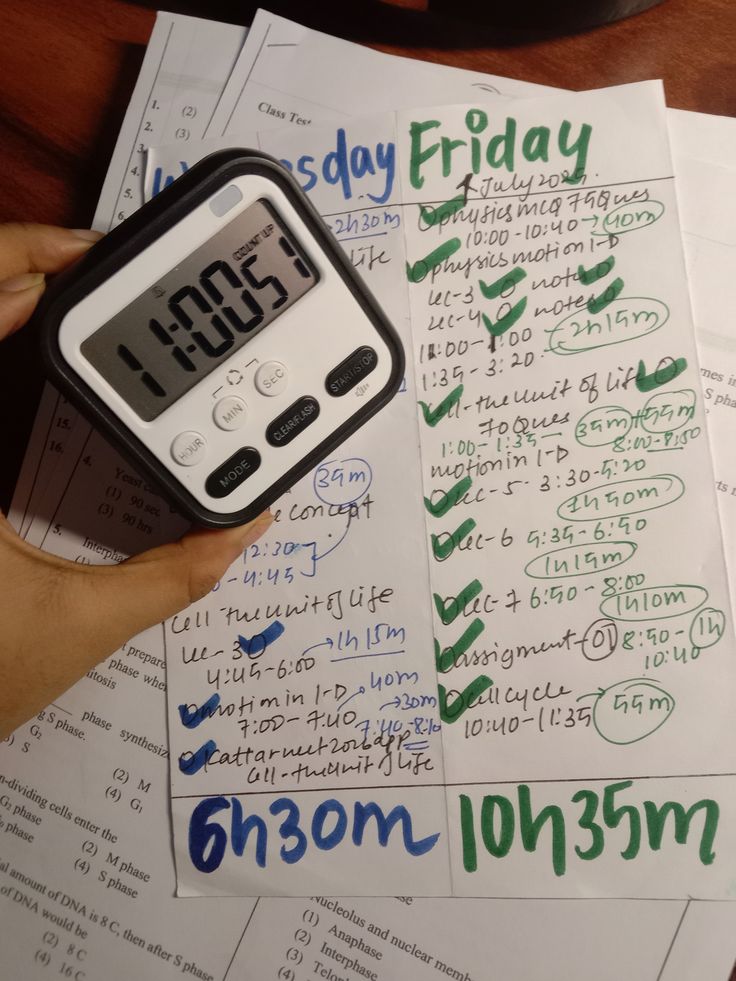
Daily Study Plan for JEE Mathematics
Regardless of whether a student chooses one-to-one coaching or a coaching institute, consistency remains the most important factor.
A balanced daily schedule may include:
Concept Learning (45–60 Minutes)
Study one new topic thoroughly.
Understand definitions, formulas, derivations, and applications before solving questions.
Practice Session (60–90 Minutes)
Begin with basic questions.
Gradually progress to moderate and advanced JEE-level problems.
Focus on understanding the reasoning behind every solution.
Formula Revision (20 Minutes)
Revise important formulas every day.
Maintaining a formula notebook helps students remember key concepts and improves revision speed.
Error Analysis (20–30 Minutes)
Review every incorrect question.
Identify:
- Conceptual mistakes
- Calculation errors
- Careless mistakes
- Time management issues
Keeping an error notebook prevents repeated mistakes.
Weekly Preparation Plan
A structured weekly routine helps students remain disciplined throughout the preparation journey.
Monday
Learn a new chapter.
Solve introductory questions.
Tuesday
Continue the chapter with moderate-level practice.
Wednesday
Attempt JEE Main level questions.
Revise previously completed topics.
Thursday
Practice JEE Advanced problems.
Develop logical and analytical thinking.
Friday
Complete chapter revision.
Review formulas and important concepts.
Saturday
Take a chapter-wise test.
Analyze mistakes carefully.
Sunday
Attempt a full-length mock test.
Prepare the study plan for the following week.
Importance of Mock Tests
Mock tests are one of the most effective tools for JEE preparation.
Many students focus only on their scores.
However, the greatest improvement comes from analyzing mistakes.
After every mock test, students should ask:
- Which chapters need additional revision?
- Which questions consumed excessive time?
- Were mistakes conceptual or careless?
- Did I panic during difficult questions?
- How can I improve my examination strategy?
Students who consistently analyze their mock tests generally improve much faster than those who simply attempt more tests.
Previous Year Question (PYQ) Strategy
Previous Year Questions provide valuable insights into the examination pattern.
Students should solve PYQs after completing every chapter rather than waiting until the end of the syllabus.
A practical PYQ strategy includes:
- Solving under timed conditions.
- Comparing solutions with standard methods.
- Identifying frequently tested concepts.
- Recording recurring mistakes.
- Revising important techniques regularly.
This helps students become comfortable with the style and difficulty level of actual JEE questions.
Time Management During the Examination
Many students lose marks not because they lack knowledge but because they spend too much time on difficult questions.
An effective examination strategy includes three rounds.
Round One
Attempt all easy questions first.
Secure quick marks and build confidence.
Round Two
Solve moderate-level questions.
Avoid spending too much time on any one problem.
Round Three
Return to the remaining difficult questions if sufficient time is available.
This strategy improves overall accuracy while reducing unnecessary pressure.
Common Mistakes Students Should Avoid
Many students unintentionally slow their progress by repeating common mistakes.
Avoid:
- Memorizing formulas without understanding concepts.
- Ignoring weak chapters.
- Solving questions without reviewing mistakes.
- Taking mock tests without analysis.
- Using too many reference books simultaneously.
- Skipping regular revision.
- Comparing yourself with other students.
- Studying irregularly.
Correcting these habits often leads to significant improvement over time.
A Practical Classroom Example
A Class 11 student joined a coaching institute with high expectations but struggled to keep pace with the classroom. The student understood basic concepts but frequently hesitated to ask questions in front of others. As a result, doubts accumulated, particularly in Calculus and Algebra. After beginning one-to-one Mathematics coaching, the tutor focused on strengthening weak concepts, created a personalized revision schedule, and analyzed every mock test in detail. Over the next few months, the student's confidence increased, problem-solving speed improved, and careless mistakes reduced significantly. This example highlights how individualized attention can help students overcome specific learning challenges.
Role of Parents During JEE Preparation
Parents play an important role in supporting students throughout their preparation journey.
They can help by:
- Creating a distraction-free study environment.
- Encouraging regular study habits.
- Monitoring progress without creating unnecessary pressure.
- Discussing mock test performance with the tutor.
- Appreciating consistent improvement rather than comparing results with others.
A supportive home environment helps students remain motivated and focused throughout the demanding JEE preparation process.
Parent Checklist, Frequently Asked Questions, Local SEO & Final Thoughts
Selecting the right guidance for JEE Mathematics is one of the most important decisions a student and parent will make during the preparation journey. While both coaching institutes and one-to-one coaching have helped students achieve success in JEE Main and JEE Advanced, the most effective choice depends on the student's learning style, confidence level, academic foundation, and long-term goals.
Some students excel in a classroom environment filled with healthy competition, while others make remarkable progress through personalized one-to-one coaching that focuses entirely on their strengths and weaknesses. The key is not to follow trends but to choose the learning method that helps the student develop conceptual clarity, confidence, and consistent study habits.
This final section provides a practical checklist for parents, answers frequently asked questions, discusses why many students in Gurgaon prefer personalized coaching, and explains how to maximize success in JEE Mathematics.
Parent Checklist Before Choosing One-to-One JEE Maths Coaching
Before selecting a tutor or coaching institute, parents should evaluate several important factors instead of making decisions based only on advertisements or fees.
1. Subject Expertise
The tutor should have a strong understanding of all major JEE Mathematics topics, including:
- Algebra
- Functions
- Trigonometry
- Coordinate Geometry
- Calculus
- Probability
- Vectors
- Three-Dimensional Geometry
- Matrices
- Determinants
An experienced teacher should explain concepts clearly and encourage logical thinking rather than rote memorization.
2. Teaching Methodology
Ask how the tutor approaches a new topic.
A good JEE Mathematics mentor should focus on:
- Conceptual clarity
- Step-by-step explanations
- Practical applications
- Multiple solution methods
- Regular revision
- Continuous doubt-solving
Students who understand why a concept works are usually better prepared for difficult JEE questions.
3. Personalized Study Plan
Every student has different strengths and weaknesses.
The tutor should create a customized study plan based on:
- Current academic level
- Weak chapters
- Strong topics
- School schedule
- Board examination preparation
- Target JEE rank
A personalized roadmap helps students improve systematically instead of following a generic classroom schedule.
4. Mock Test System
Regular testing is essential for improving performance.
Parents should ask whether the tutor conducts:
- Chapter-wise Tests
- Weekly Assessments
- Monthly Revision Tests
- Full-Length Mock Tests
- Previous Year Question Practice
Most importantly, every test should be followed by detailed performance analysis and improvement strategies.
5. Doubt Solving
Students should never hesitate to ask questions.
A supportive mentor encourages discussion and patiently explains concepts until the student gains confidence.
Quick doubt resolution prevents small misunderstandings from becoming larger academic problems.
6. Parent Communication
Regular communication between parents and the tutor helps maintain steady progress.
Parents should receive updates regarding:
- Attendance
- Study discipline
- Test performance
- Weak chapters
- Improvement areas
- Revision progress
This partnership creates a positive learning environment for the student.
Can Students Combine Coaching Institutes with One-to-One Coaching?
Yes.
Many successful JEE aspirants use a combination of both learning methods.
For example:
- Attend a coaching institute for structured classroom teaching.
- Take one-to-one coaching to strengthen weak concepts, clear doubts, and receive personalized guidance.
This approach combines the benefits of classroom competition with focused individual mentoring.
How Students Can Maximize Their Learning
Regardless of the learning method, students should follow a disciplined study routine.
Effective habits include:
- Attending every class regularly.
- Revising concepts every day.
- Solving Mathematics problems consistently.
- Maintaining a formula notebook.
- Keeping an error notebook.
- Analyzing every mock test.
- Revising weak chapters frequently.
- Asking questions without hesitation.
Consistency over many months is more valuable than occasional long study sessions.
Frequently Asked Questions
1. Is one-to-one coaching better than coaching institutes?
It depends on the student's learning style. Students who require personalized attention often benefit from one-to-one coaching, while independent learners may perform well in classroom coaching.
2. Can one-to-one coaching prepare students for JEE Main and Advanced?
Yes. A structured study plan, regular practice, mock tests, and conceptual learning can effectively prepare students for both examinations.
3. Which students benefit most from one-to-one coaching?
Students who:
- Need personalized attention.
- Have weak Mathematics fundamentals.
- Lack confidence.
- Require flexible schedules.
- Want focused preparation.
often make significant progress through individualized mentoring.
4. Are mock tests necessary?
Absolutely.
Mock tests improve:
- Speed
- Accuracy
- Confidence
- Time management
- Examination strategy
Reviewing mistakes after every test is equally important.
5. Should students solve Previous Year Questions?
Yes.
Previous Year Questions help students understand:
- Examination pattern
- Frequently tested concepts
- Difficulty level
- Time management
Students should solve them chapter-wise throughout their preparation.
6. Is NCERT enough for JEE Mathematics?
NCERT provides a strong foundation, but JEE preparation generally requires additional practice with higher-level application-based questions.
7. How many hours should students study Mathematics daily?
The number of hours varies depending on the student's schedule and preparation stage. The focus should be on regular, high-quality study sessions rather than simply studying for long hours.
8. How can students improve calculation speed?
Students can improve speed through:
- Daily practice
- Timed question solving
- Formula revision
- Mock tests
- Learning efficient solution methods
9. What role do parents play?
Parents should:
- Encourage consistent study habits.
- Provide emotional support.
- Create a distraction-free study environment.
- Monitor progress.
- Stay connected with the tutor.
- Celebrate improvement rather than comparing results.
10. What is the biggest advantage of one-to-one coaching?
The biggest advantage is personalized attention. Lessons, revision plans, and practice sessions are tailored specifically to the student's needs, helping them improve more efficiently.
Why Many Students in Gurgaon Prefer Personalized JEE Mathematics Coaching
Gurugram has become a major educational hub, and many students seek individualized support to strengthen their JEE preparation.
Students from areas such as:
- DLF Phase 1
- DLF Phase 2
- DLF Phase 3
- DLF Phase 4
- DLF Phase 5
- Golf Course Road
- Sushant Lok
- South City
- Nirvana Country
- Sector 42
- Sector 43
- Sector 49
- Sector 50
- Sector 54
- Sector 56
- Sector 57
- Sector 65
- Sector 67
- M3M Golf Estate
often choose one-to-one home tuition or live online coaching because it offers flexibility, personalized attention, and focused preparation without the challenges of large classroom batches.
Internal Linking Suggestions
To strengthen your website's topical authority, connect this article with related pages such as:
- How to Choose the Best JEE Maths Tutor in Gurgaon
- Home Tuition vs Coaching for JEE Mathematics
- Online vs Offline JEE Maths Classes
- How to Score 99 Percentile in JEE Main Mathematics
- Can a Weak Student Crack IIT JEE?
- Last 90-Day Strategy for JEE Main
- Last 30-Day Revision Plan
- Time Management During JEE Mathematics Exam
- Mock Test Analysis Strategy
- Previous Year Question Strategy
- Most Important Chapters for JEE Main Mathematics
This internal linking structure improves user experience and helps search engines understand your site's expertise.
Why Choose Ajay Vatsyayan Classes?
Ajay Vatsyayan Classes provides personalized one-to-one JEE Mathematics home tuition across Gurgaon along with live online classes for students across India and abroad. With 14+ years of teaching experience (if accurate), an M.Tech qualification, customized study plans, chapter-wise tests, weekly mock tests, previous year question practice, regular doubt-solving sessions, and continuous performance tracking, students receive focused guidance designed to strengthen concepts and improve problem-solving abilities.
The teaching philosophy emphasizes conceptual understanding, logical reasoning, consistent revision, and individual mentoring so that every student receives the attention needed to build confidence and perform well in JEE Main and JEE Advanced.
Final Conclusion
Both coaching institutes and one-to-one coaching can help students achieve success in IIT JEE. The most suitable option depends on the student's learning preferences, confidence level, and academic needs.
Students who benefit from personalized attention, flexible scheduling, and targeted concept-building often find one-to-one coaching especially effective. Those who enjoy classroom interaction and peer competition may prefer coaching institutes. In many cases, combining both methods can provide the advantages of each.
Ultimately, success in JEE Mathematics depends on consistent practice, conceptual clarity, disciplined revision, effective mock test analysis, and the guidance of a dedicated mentor. Choosing the right learning environment can help students build confidence, overcome challenges, and move steadily toward their engineering aspirations.
Call to Action
Looking for expert one-to-one JEE Mathematics coaching in Gurgaon?
Ajay Vatsyayan Classes offers personalized home tuition in Gurgaon and live online classes for students across India and abroad. With customized study plans, regular assessments, previous year question practice, and continuous academic support, students receive focused guidance to strengthen concepts, improve problem-solving skills, and prepare confidently for JEE Main and JEE Advanced.







.png)
.png)
.png)







.png)












.jpg)


































.jpg)





.jpg)
.jpg)