
<h2>How to Improve Writing Skills for Board Exams</h2>
<p>Writing skills play a crucial role in board examinations. Even if a student has excellent subject knowledge, poor answer presentation can affect marks. Strong writing skills help students express their ideas clearly, organize answers effectively, and leave a positive impression on examiners. Developing good writing habits can significantly improve board exam performance.</p>
<h3>Why Writing Skills Matter in Board Exams</h3>
<p>Board examinations assess not only knowledge but also a student's ability to communicate information effectively. Well-written answers are easier to understand and often receive better evaluation.</p>
<h3>Practice Writing Regularly</h3>
<p>The best way to improve writing skills is through regular practice. Students should write answers, essays, letters, reports, and sample papers frequently to develop speed and accuracy.</p>
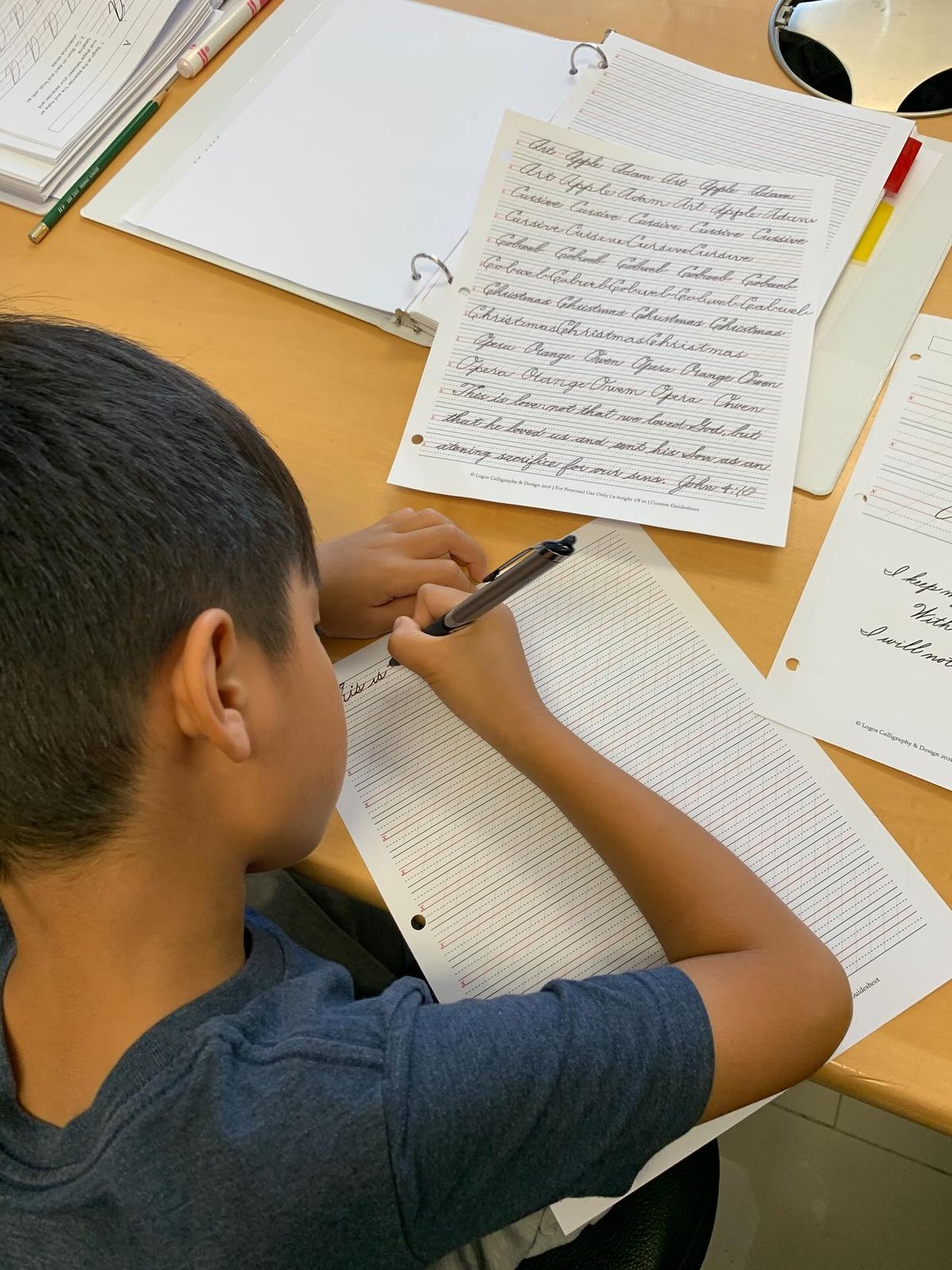
<h3>Focus on Clear Handwriting</h3>
<p>Neat and legible handwriting helps examiners read answers easily. Clear handwriting creates a positive impression and reduces the chances of misunderstandings during evaluation.</p>
<h3>Improve Vocabulary and Language Skills</h3>
<p>A strong vocabulary helps students express ideas more effectively. Reading books, newspapers, and educational articles regularly can improve language proficiency and writing quality.</p>
<h3>Benefits of Strong Writing Skills</h3>
<ul>
<li>Better answer presentation</li>
<li>Higher exam scores</li>
<li>Improved communication abilities</li>
<li>Greater confidence during exams</li>
<li>Enhanced language proficiency</li>
<li>Better academic performance</li>
</ul>
<h3>Learn Proper Answer Structure</h3>
<p>Students should organize answers with a clear introduction, main content, and conclusion where applicable. Structured answers are easier to understand and often score better.</p>
<h3>Use Headings and Bullet Points</h3>
<p>For long answers, headings, subheadings, and bullet points improve readability. Examiners can quickly identify key points, which enhances answer presentation.</p>
<h3>Manage Time Effectively</h3>
<p>Time management is essential during board exams. Students should practice writing within time limits to ensure they can complete the entire paper efficiently.</p>
<h3>Practice Previous Years' Question Papers</h3>
<p>Solving previous board exam papers helps students understand answer-writing expectations and improve speed under exam conditions.</p>
<h3>Avoid Common Writing Mistakes</h3>
<ul>
<li>Writing lengthy and irrelevant answers</li>
<li>Poor handwriting and presentation</li>
<li>Grammar and spelling errors</li>
<li>Skipping important points</li>
<li>Lack of proper answer structure</li>
</ul>
<h3>Revise and Review Your Answers</h3>
<p>Students should reserve a few minutes at the end of the exam to review their answers. This helps identify and correct spelling, grammar, and factual errors.</p>
<h3>Seek Feedback from Teachers</h3>
<p>Regular feedback from teachers helps students identify areas for improvement and refine their writing techniques before examinations.</p>
<h3>Why Choose Ajay Vatsyayan Classes?</h3>
<p>At Ajay Vatsyayan Classes, we help students improve their writing skills through regular answer-writing practice, mock tests, personalized feedback, and exam-oriented guidance. Our expert teachers focus on both subject knowledge and effective presentation techniques to maximize board exam scores.</p>
<h3>Conclusion</h3>
<p>Strong writing skills are essential for success in board examinations. Through regular practice, proper answer structuring, effective time management, and continuous improvement, students can enhance their writing abilities and achieve higher marks in exams.</p>